Choosing a manufacturer for Aluminium Windows & Doors involves more than comparing catalogue photos or headline prices. Performance depends on the whole system: frame design, thermal breaks, glazing, seals, hardware, and installation. A slim profile may look elegant, but its real value depends on climate, building type, and everyday use. Details matter.
This guide introduces ten manufacturers for homeowners, architects, and contractors to consider. It highlights practical points such as product range, customization, finish options, technical documentation, and after-sales support. These factors can help narrow a shortlist, but they do not prove that one supplier suits every project. Availability, specifications, certifications, and warranty terms can vary by product and location. Check current documents directly with each manufacturer, and confirm that the proposed system meets your project’s performance needs. A showroom sample can help, though it cannot tell the whole story. Ask about drainage, hardware replacement, lead times, and who handles installation. Those questions are easy to overlook.
The list is a starting point, not a final verdict. Company size and polished marketing are useful context, not guarantees of consistent quality. Even strong products may disappoint when measurement or installation is rushed. Use the comparisons to ask better questions, request project-specific details, and weigh evidence against your own priorities. The right choice should fit the building, the budget, and the people who will use it.
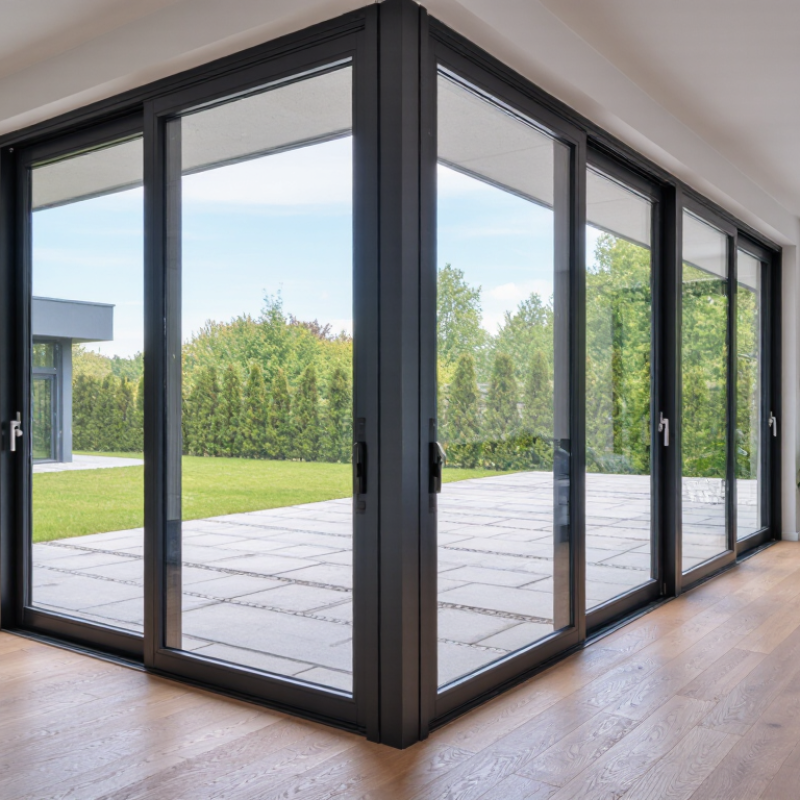
Aluminium has a density of about 2.70 g/cm³, making it much lighter than many common structural metals. Light, but not flimsy. A window frame’s performance depends on more than its material density. Alloy choice, wall thickness, and profile shape all affect stiffness and resistance to bending. For homeowners, this means two frames with similar dimensions may feel quite different in use.
Extruded aluminium profiles often contain internal chambers and carefully shaped ribs. These details can strengthen a frame without making it unnecessarily bulky. A narrow sightline lets more daylight reach the room, but it still needs enough structural support for the glass and local wind conditions. Thermal breaks separate the inner and outer aluminium sections, reducing heat transfer through the frame. Look closely at seals, drainage openings, and corner joints, too. Small details matter.
I would not judge a frame by its weight alone; that shortcut can mislead. A well-designed profile balances strength, insulation, and visible width, though no single shape suits every opening. Ask how the frame is sized for the intended glass and installation. A slim sample may look elegant on a showroom table, yet its real performance depends on fabrication and fitting. That part is easy to overlook.
Windows are a major part of a home’s energy boundary. The U.S. Department of Energy estimates that heat gain and heat loss through windows account for 25–30% of residential heating and cooling energy use. That figure makes window selection more than a design decision.
Aluminium frames are strong and slim, but aluminium conducts heat readily. Look for thermally broken frames, where an insulating barrier separates the inside and outside metal. Check the whole-window U-factor and solar heat gain coefficient, not just the glass description. The National Fenestration Rating Council explains that these ratings help compare energy performance across products. Lower U-factors generally mean less heat transfer; the best solar heat gain coefficient depends on climate and orientation.
Details matter. A well-rated window can still underperform if installation leaves gaps around the frame. On a cold morning, feel for drafts near the sill and inspect the seals after installation. Small leaks count. Ratings are useful, but they do not predict every home’s results; shade, air leakage, and occupant habits also affect energy use. That limitation is easy to overlook.
Windows account for an estimated 25–30% of residential heating and cooling energy use. Comparing whole-window U-factors shows how glazing choices can affect heat transfer.
Lower U-factor indicates better insulation. Values shown are representative examples; actual whole-window ratings vary by frame, glazing, spacer, and product. U.S. Department of Energy: Energy-Efficient Windows
When comparing aluminium-window and door manufacturers, start with independently verified U-factor, not frame material alone. U-factor measures whole-product heat transfer; lower values indicate better insulation. NFRC’s Certified Products Directory lets buyers compare tested ratings across sizes and configurations. The U.S. Department of Energy estimates that windows account for 25–30% of residential heating and cooling energy use. Small rating differences are worth checking. A listed value, however, may not apply to every custom opening.
Air leakage deserves equal attention. Request the tested rate and pressure, not just an “airtight” claim. ASTM E283 measures leakage under specified pressure differences, while NAFS (AAMA/WDMA/CSA 101/I.S.2/A440) classifies product performance. Compare similar sizes and operating types; a sliding door and fixed window are not fair rivals. Small gaps matter. Inspect corner joints, locks, and compression seals on a sample unit.
For durability, request test reports covering structural load, water penetration, finish exposure, and hardware operation. ASTM E330 and E547 provide structural and water-test methods, but neither alone predicts decades of service. Check the thermal break, sill drainage, coating warranty, and replacement-part availability. Installation also affects real-world performance. A strong laboratory score can disappoint on a poorly shimmed frame. Require current third-party certificates and test results for comparable product configurations before ranking manufacturers.
Product strength is more than a thick frame or a large glass panel. For a useful comparison of ten leading aluminium window and door manufacturers, assess what each system proves in testing. Check structural capacity, air leakage, water resistance, thermal performance, and hardware durability. Small details matter. The U.S. Department of Energy’s Energy Saver guidance estimates that windows account for about 25–30% of residential heating and cooling energy use. That makes thermal breaks and properly fitted seals practical priorities, not showroom extras. NFRC labels provide comparable U-factor and solar heat gain ratings for rated products.
Look for ten distinct strengths: reinforced profiles, effective thermal breaks, tested seals, clear drainage paths, durable finishes, varied glazing options, acoustic laminates, dependable hinges, precise fabrication, and useful installation support. Still, published ratings can mislead when site measurements and installation quality are ignored. A strong frame cannot fix a poorly sealed opening. Compare test reports with the project’s climate, wind exposure, and expected panel size. For coastal buildings, ask how finishes and hardware resist corrosion. For large openings, request structural limits in writing. No single score captures every trade-off, and some product comparisons remain incomplete.
Aluminium’s sustainability story begins long before a new window is installed. The International Aluminium Institute estimates that about 75% of all aluminium ever produced remains in use. That figure reflects the metal’s durability and recyclability, but it’s a global estimate—not a guarantee that every window frame will be recovered. A frame removed during renovation may still become waste if it’s mixed with other materials or poorly sorted.
That distinction matters when choosing aluminium windows and doors. Look for clear information about recycled content, component separation, and local take-back or recycling arrangements. The IAI reports that recycling aluminium uses about 95% less energy than producing primary metal. Less energy, when scrap is collected and processed effectively. Yet recycled content alone doesn’t tell the whole story: a well-made frame also needs to last, perform reliably, and remain practical to repair.
Think of a frame exposed to rain, salt air, and years of opening and closing. Its finish and hardware affect how long it stays in service. Ask manufacturers how they test durability and what happens to offcuts or end-of-life frames. These details can be difficult to verify, and claims deserve scrutiny. Aluminium can support a circular building industry, but only when product design, maintenance, and recovery systems work together.
Aluminium has a density of about 2.70 g/cm³. It is light, but density alone cannot predict frame strength.
Not always. Alloy, wall thickness, internal ribs, and profile shape all affect stiffness. Check how the frame supports the intended glass.
A thermal break separates the frame’s inner and outer metal sections. This reduces heat transfer through the frame. It does not fix poor installation.
Check the whole-window U-factor and solar heat gain coefficient. Lower U-factors generally mean less heat transfer. The suitable solar rating depends on climate and window direction.
Windows account for an estimated 25–30% of residential heating and cooling energy use. Actual results vary with shading, air leakage, and daily habits.
Ask for tested leakage results and the pressure used during testing. Inspect corner joints, locks, and compression seals. Small gaps matter.
Request reports on structural load, water penetration, finish exposure, and hardware operation. Also check sill drainage, coating coverage, and replacement-part availability.
Yes. Gaps around a poorly fitted frame can allow drafts and water entry. Check the sill and seals after installation. Ratings cannot predict every home’s results.
Aluminium Windows & Doors combine a lightweight material with strong frame design. With a density of about 2.70 g/cm³, aluminium can support slim profiles and broad glazed areas while providing structural stability. Good design and suitable thermal breaks help limit heat transfer, an important consideration because windows can account for roughly 25–30% of a home’s heating and cooling use. Performance depends not only on the material but also on construction, glazing, installation, and maintenance.
When comparing manufacturers, consider U-factor, air leakage, durability, and relevant product certifications alongside each maker’s particular strengths, such as design flexibility, energy performance, or resistance to demanding conditions. Sustainability is another useful measure: around 75% of all aluminium ever produced is still in use, reflecting its potential for reuse and recycling. A well-informed choice balances comfort, efficiency, long-term performance, and responsible material use.

Astris Window Systems