Choosing an Aluminium Sliding Window in 2026 requires more than comparing frame colours and advertised prices. Modern homes demand smoother movement, stronger thermal performance, better security, and quieter interiors. The right choice must also suit the building’s climate, orientation, and daily use.
A practical inspection starts with the frame. Look for a genuine thermal break, corrosion-resistant aluminium, sealed drainage paths, and multi-point locking. Run your hand along the track. It should feel clean, firm, and free from sharp finishing flaws. Test the rollers with one hand. A heavy panel may indicate weak hardware or poor alignment. Small details matter.
Glass selection deserves equal attention. Low-E double glazing can reduce heat transfer, while laminated glass may improve safety and sound control. In coastal areas, ask about marine-grade finishes and corrosion testing. In colder regions, check the window’s U-value and air-leakage rating. Numbers are useful, but installation quality can change real performance.
As building and renovation expert Mike Holmes says, “A window is only as good as its installation.” That warning remains highly relevant in 2026. Even an excellent Aluminium Sliding Window can leak, rattle, or bind when fitted poorly. Request installation references, written warranty terms, and product testing documents. A lower price can feel sensible. It may not be.
This guide will examine profiles, glass, hardware, security, energy efficiency, maintenance, and installation standards. It will also question attractive claims that sound impressive but lack evidence. Your final decision should balance comfort, durability, appearance, and long-term value.
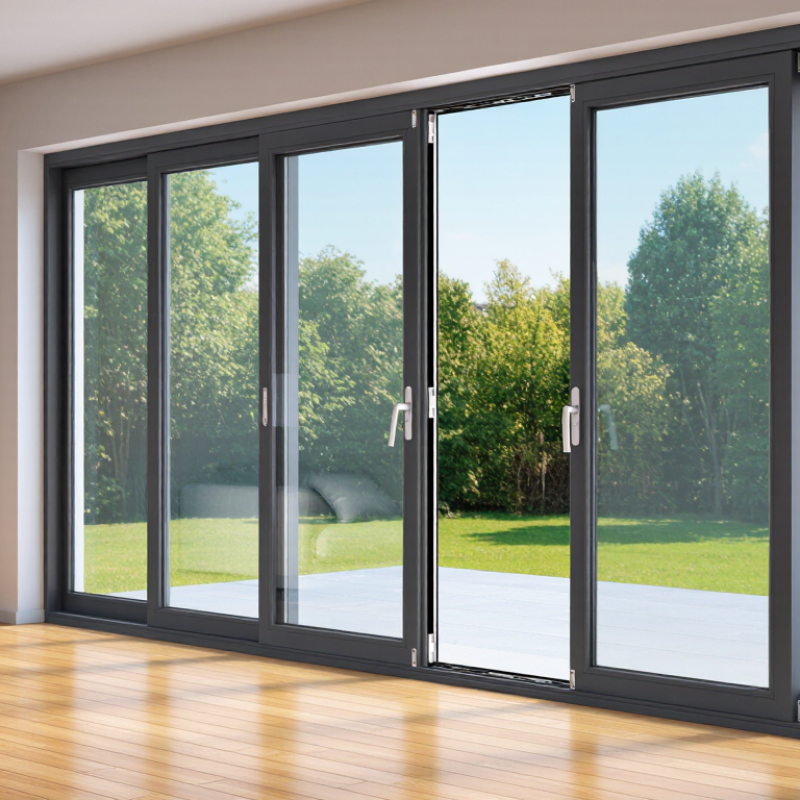
When choosing aluminium sliding windows in 2026, start with climate, not frame appearance. U-factor measures heat flow through the complete window assembly. Lower values perform better. A target of 1.4 W/m²·K or below can reduce winter heat loss, especially beside a cold bedroom wall. The U.S. Department of Energy identifies windows as a major source of heating and cooling gains in homes. Its building research also stresses whole-window performance, including glass, frame, spacer, and installation. Do not judge the frame alone.
SHGC shows how much solar radiation enters the room. It ranges from 0 to 1. In hot, sunny climates, a lower SHGC can reduce afternoon overheating and air-conditioning demand. In colder climates, a moderate or higher SHGC may provide useful winter warmth. The Efficient Windows Collaborative commonly compares SHGC with orientation, shading, and local cooling needs, rather than using one universal number. NFRC performance-rating guidance also separates U-factor from SHGC, because one rating cannot replace the other. That sounds simple. It is not.
For a south- or west-facing opening, test the proposed SHGC beside exterior shading and glass area. A low U-factor with excessive solar gain can still create a hot sofa, faded flooring, and uncomfortable glare. The International Energy Agency’s Buildings sector reporting shows that buildings remain a major global energy user, making small envelope decisions relevant at scale. I would not treat 1.4 as a magic number. Installation gaps, air leakage, and poor drainage can undermine excellent laboratory data. Ask for certified whole-window values, climate-specific simulations, and site measurements before ordering.
| Climate Profile | Primary Design Priority | Recommended Whole-Window U-Factor | Suggested SHGC Range | Suitable Glazing Configuration | Aluminium Window Features | Orientation and Shading Guidance | Typical Use Case |
|---|---|---|---|---|---|---|---|
| Cold / Heating-Dominated | Reduce winter heat loss while retaining useful passive solar gains. | 1.00–1.40 W/m²·K | 0.40–0.55 | Double or triple insulating glass; low-emissivity coating; argon-filled cavities where available. | Thermally broken aluminium frame, insulated glazing spacer, continuous weather seals, and a well-insulated sill. | Use higher SHGC on sun-facing elevations when overheating can be controlled. Add external shading where summer solar exposure is strong. | Homes and apartments with long winters, frequent heating demand, or cold nights. |
| Mixed / Four-Season | Balance heating performance with summer solar control. | 1.10–1.40 W/m²·K | 0.30–0.45 | Double insulating glass with low-e coating; solar-control low-e glass may be appropriate on exposed elevations. | Thermally improved frame, multi-point locking, compression seals, and drainage paths that limit air and water infiltration. | Select SHGC by elevation: generally higher for winter-sun façades and lower for strongly sun-exposed façades. | Buildings that require both winter heating and summer cooling during the year. |
| Hot / Cooling-Dominated | Limit solar heat gain and reduce cooling loads. | 1.10–1.40 W/m²·K | 0.20–0.35 | Solar-control low-e double glazing; spectrally selective glass can reduce solar gain while preserving daylight. | Thermal break, durable gaskets, corrosion-resistant hardware, and a robust frame finish suitable for high solar exposure. | Prioritize lower SHGC on east- and west-facing windows. Combine glazing with external overhangs, fins, blinds, or screens. | Warm regions with high air-conditioning use and intense year-round sunlight. |
| Hot-Humid / Coastal | Control solar heat, moisture, wind-driven rain, and corrosion risk. | 1.10–1.40 W/m²·K | 0.20–0.35 | Solar-control insulating glass with low-e coating; laminated glass may be considered where impact or acoustic performance is needed. | Thermally broken aluminium, corrosion-resistant finish, stainless or protected hardware, reliable drainage, and high-quality weather seals. | Use low SHGC on high-exposure façades and provide external shading. Ensure the installation includes perimeter flashing and sealant compatible with the wall system. | Coastal houses, humid apartments, and buildings exposed to strong sun, rain, or salt-laden air. |
| Marine / Mild | Maintain moderate insulation while managing wind, rain, and glare. | 1.20–1.40 W/m²·K | 0.30–0.45 | Double insulating glass with neutral low-e coating; laminated inner glass can improve sound reduction and safety. | Thermal break, tested air and water resistance, tight interlocking meeting rails, and durable finishes for damp conditions. | Use medium SHGC unless the façade receives strong afternoon sun. Prioritize tested water resistance in wind-driven rain zones. | Moderate coastal climates with limited heating and cooling extremes but frequent damp or windy weather. |
| High-Altitude / High-Solar | Address strong solar radiation, large day-night temperature swings, and cold nighttime conditions. | 1.00–1.30 W/m²·K | 0.25–0.40 | Low-e insulating glass; select glazing pressure and cavity specifications according to the installation altitude. | Thermally broken frame, reinforced hardware where wind loads are high, durable seals, and careful glass-to-frame compatibility checks. | Use external shading for intense daytime sun and avoid selecting SHGC by climate alone; evaluate each façade orientation. | Mountain and plateau locations with bright sun, cool nights, and significant daily temperature variation. |
Selection note: U-factor values above refer to the complete installed window assembly rather than glass-only performance; lower U-factor indicates better insulation. SHGC is expressed from 0 to 1, where a lower value admits less solar heat. Final targets should be checked against local energy codes, façade orientation, shading, air leakage, water resistance, wind loads, and site-specific design conditions.
Double glazing often balances insulation, weight, and cost. Triple glazing reduces heat loss further in cold or exposed locations. It is heavier. Stronger rollers and careful installation may be necessary. I would not choose triple glazing automatically.
A Low-E coating reflects selected infrared energy while allowing useful daylight through. Ask where the coating is positioned. Check the whole-window U-value. Also request solar heat gain data, not glass data alone.
Visible transmittance, or VT, shows how much daylight enters the room. Higher VT can keep interiors brighter during cloudy mornings. Very low VT may feel grey. I once preferred cooler glass, then regretted needing electric lights earlier.
Review VT beside room direction, shading, glare risk, and daily use. South- or west-facing rooms may need solar control. Too much control can darken the room. Samples should be viewed beside the actual wall colour.
Laminated or toughened safety glass should be tested under EN 12600. Laminated glass can remain attached after breakage. This matters near balconies, floors, and children’s rooms. A decorative panel is not enough.
Move the sash several times. It should glide smoothly without scraping, twisting, or excessive force. Look for adjustable locks. Choose corrosion-resistant rollers, secure handles, and replaceable components.
Correct seals, even gasket compression, secure fixing, and proper drainage all matter. A high-quality window cannot repair poor installation. Check drainage holes after fitting. Photograph concealed fixing points before finishing.
Request the Declaration of Performance, installation method, and certified test results. Confirm assessment under EN 14351-1. Check air permeability, watertightness, wind resistance, and thermal performance. Request separate safety-glass documentation. The paperwork may look complete, but workmanship still needs inspection.
Choosing an Aluminium Sliding Window in 2026 starts with matching its performance to the local climate. Prioritize a U-factor of 1.4 W/m²·K or lower where strong insulation is needed, and review the Solar Heat Gain Coefficient (SHGC) to control unwanted heat from sunlight. Compare standard aluminium frames with thermally broken systems, which use an insulating barrier to reduce heat transfer and improve indoor comfort. For glazing, consider double or triple panes with Low-E coatings, while checking visible transmittance to balance daylight, glare control, and energy efficiency.
Before purchasing, verify tested air infiltration, water resistance, and structural performance under applicable AAMA, WDMA, or CSA A440 requirements. Safety glass should be used where impact or human contact is possible, and durable locks, rollers, seals, and handles should operate smoothly. Correct installation is equally important: the frame must be properly leveled, sealed, drained, and anchored. Finally, confirm that the complete window assembly and installation documentation support relevant EN 14351-1 compliance.

 Astris Window Systems