How to Choose the Right Aluminum Door for Your Project?

Time:2026-09-29 Author:Isabella
0%

Choosing an Aluminum Door is not simply a matter of picking a frame color. The right option depends on where the door will be installed, how often it will be used, and what the building needs for comfort and security. A busy patio entrance may need a different configuration from a quiet office interior. Details matter.

Aluminum is valued for its strength, low maintenance, and clean appearance. Its performance still depends on design and construction. Frame depth, thermal breaks, glazing, seals, and hardware can all affect insulation, noise control, and everyday operation. A slim frame may look elegant, but it may not suit every opening or climate. That trade-off deserves a closer look.

Before comparing products, measure the opening and note how the door should move: sliding, hinged, folding, or pivoting. Consider nearby furniture, floor levels, exposure to rain, and the available space for hardware. Ask suppliers for clear specifications, including glazing details, finish options, warranty terms, and installation requirements. If possible, inspect a sample; the feel of a handle and the smoothness of a track can reveal practical issues that a brochure cannot.

No single Aluminum Door works for every project. Budget matters, but so do long-term upkeep and the quality of installation. Even a well-made door can disappoint if it is poorly fitted. This guide explains the main choices and questions to ask, helping you match appearance with real-world needs. Some decisions remain imperfect; the aim is to understand the compromises before ordering.
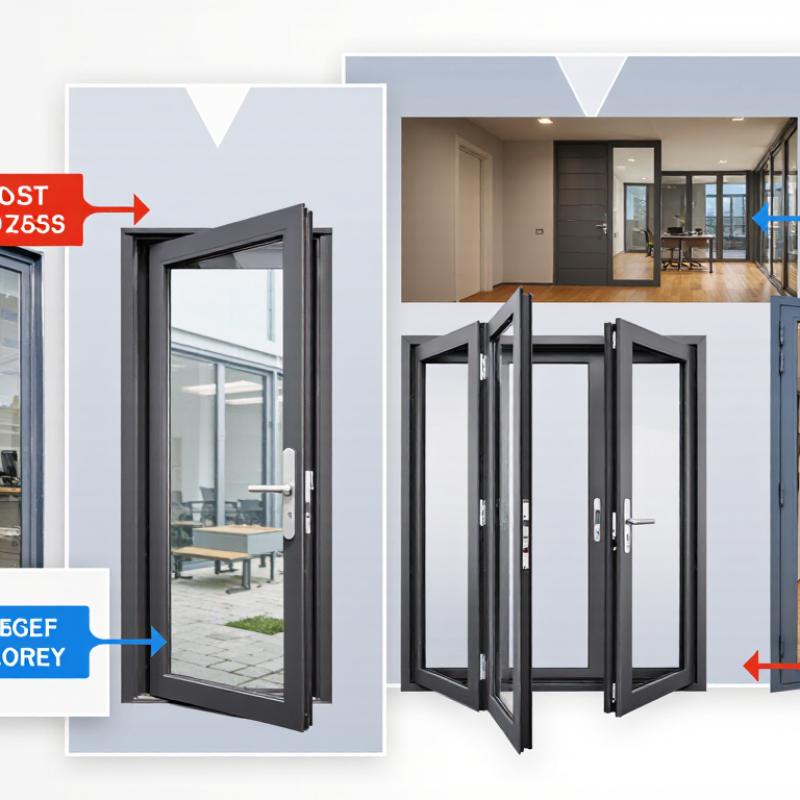
How to Choose the Right Aluminum Door for Your Project?

Understanding the Types of Aluminum Doors

Choosing the right aluminum door starts with understanding its type, not its appearance alone. In practice, operation, opening size, weather exposure, and traffic patterns decide performance.

Sliding doors suit patios, balconies, and narrow corridors because panels move beside the wall. They need accurate tracks and regular cleaning, especially near coastal dust. Hinged doors provide a tighter closing line and work well at entrances. For wide openings, folding doors create a broad connection between indoor and outdoor areas. However, their many joints can increase adjustment needs. Lift-and-slide doors carry heavy panels with less effort, but their frames and hardware usually cost more. Small differences matter.

Thermal performance deserves equal attention. The 2023 Global Status Report for Buildings and Construction states that buildings consume about 30% of global energy and produce roughly 26% of energy-related emissions. A thermally broken aluminum door can reduce heat transfer through the frame, but glass, seals, installation, and shading remain important. A high-performing door can still fail when the threshold is poorly fitted. This is an easy detail to underestimate.

Durability also supports responsible material selection. The International Aluminium Institute reports that nearly 75% of all aluminum ever produced remains in use today. Ask for documented recycled content, tested air and water resistance, and clear maintenance instructions. I have seen projects prioritize a slim frame, then regret its weak drainage design. The best choice is rarely the most attractive sample. It is the type that matches daily use, local climate, and realistic maintenance capacity.

Assessing Your Project’s Needs and Site Conditions

Choosing an aluminum door begins long before comparing finishes. Start by observing how the entrance will actually be used. A busy school corridor needs durable hardware and controlled closing. A quiet garden office may prioritize daylight and slim sightlines. Measure opening width, height, wall depth, and floor level carefully. I once trusted an old drawing and missed a 12-millimeter threshold difference. That small error delayed installation. Site visits reveal problems drawings hide.

Assess weather exposure next. Windy elevations may require stronger frames and properly rated glass. Direct afternoon sun can overheat a dark, glazed entrance. Coastal air demands suitable corrosion protection, especially around hinges and fasteners. Check drainage paths, splash zones, and nearby sprinklers. Water has a way in. Thermal performance matters too. Record indoor temperatures, condensation marks, and existing insulation before choosing a frame. However, product data alone cannot predict every building’s behavior. Local experience remains valuable.

Think about people, not only dimensions. Wheelchair users need clear passage and manageable opening force. Deliveries may require a wider leaf or a protected threshold. Entry systems should match the project’s security risk without making daily access frustrating. Confirm fire, safety, energy, and accessibility requirements with a qualified local professional. I prefer written site notes, photographs, and a second measurement. It feels excessive. It prevents expensive assumptions. Review samples in the actual light, because a finish shown indoors may look different beside stone, concrete, or timber.

How to Choose the Right Aluminum Door for Your Project? — Assessing Your Project’s Needs and Site Conditions

Project Factor Typical Requirement or Site Condition Recommended Aluminum Door Configuration Important Performance Considerations Key Checks Before Ordering Practical Reference
Entrance Function Main entrance with frequent pedestrian traffic and a need for clear visibility. Choose hardware and closers rated for the expected traffic level. Provide adequate opening width and unobstructed circulation. Confirm traffic direction, accessibility requirements, clear opening, threshold height, and available power for automatic operators. Common clear opening: approximately 850–1,000 mm for a single accessible leaf, subject to local code.
Residential Interior Use Low- to moderate-use doorway separating rooms, balconies, or private areas. Prioritize smooth operation, acoustic comfort, daylight, and compatibility with interior finishes. Check wall thickness, floor level, trim depth, handle clearance, and whether the door must control sound or privacy. Typical interior acoustic performance is project-specific and depends on glass, seals, frame, and installation.
Exterior Weather Exposure Door is exposed to rain, wind, temperature changes, or direct sunlight. Water penetration resistance, air leakage, wind-load resistance, condensation control, and corrosion resistance are critical. Review local wind conditions, façade drainage, sill slope, overhang protection, and the manufacturer’s tested performance data. Performance ratings must be verified through applicable regional test standards rather than assumed from material alone.
Cold or Hot Climate Large indoor–outdoor temperature difference or a building with energy-efficiency targets. Thermal transmittance depends on the complete door assembly, including frame, glass, spacer, seals, and installation. Request whole-door U-factor, solar heat gain information, condensation analysis, and verified air-sealing details. Lower U-factor generally indicates better insulation; exact limits depend on climate zone and building code.
High Wind or Coastal Site Exposed location, tall building, coastal environment, or frequent severe weather. Frame deflection, glass retention, hardware strength, salt-air corrosion, and anchorage design should be evaluated together. Obtain the design wind pressure, exposure category, opening size, building height, and applicable impact requirements. Do not select by frame material alone; structural performance is determined by the complete tested assembly.
Wet or Humid Area Bathrooms, pool areas, kitchens, laundry rooms, or locations with regular condensation and water exposure. Prevent standing water, protect adjacent finishes, and provide ventilation to reduce condensation and mold risk. Confirm drainage path, floor falls, waterproofing transitions, sealant compatibility, and cleaning requirements. Aluminum resists rot, but hardware, fasteners, coatings, and surrounding materials still require moisture protection.
Security Priority Ground-floor entrance, service area, multi-tenant property, or opening requiring controlled access. Security depends on the frame, glass, lock, hinges, strike, anchors, and surrounding wall—not on the aluminum frame alone. Define threat level, emergency egress needs, access-control method, key management, and resistance requirements. Ensure security features do not conflict with fire-exit, accessibility, or emergency-release requirements.
Fire or Smoke Separation Door is located in a protected exit route, fire compartment, plant room, or other regulated location. Fire rating applies to the complete assembly, including frame, leaf, glazing, hardware, seals, and installation method. Verify the required rating, smoke-control requirement, self-closing function, hold-open release, and inspection criteria with the authority having jurisdiction. Standard glazed aluminum doors should not be assumed to provide fire resistance.
Accessibility Public, commercial, healthcare, educational, or multi-unit residential entrance. Consider reach range, door closer force, opening speed, threshold profile, vision panels, and contrast markings where required. Check local accessibility code, approach clearances, floor transitions, hardware height, and automatic-door safety sensors. Requirements vary by jurisdiction; local code should govern final dimensions and operating forces.
Acoustic Control Office, hotel, apartment, classroom, meeting room, or location near traffic and mechanical equipment. Acoustic performance is affected by glass thickness, air gaps, frame joints, seals, door undercuts, and adjacent construction. Set the target sound rating, inspect wall and ceiling interfaces, and request tested acoustic data for the entire assembly. A high-rated glass unit cannot compensate for large gaps around the frame or an unsealed threshold.
Daylight and Views Project aims to maximize natural light, exterior visibility, or visual connection between spaces. Consider glare, solar heat gain, glass safety, privacy, thermal performance, and frame-to-glass proportions. Review sun orientation, shading, glass safety markings, bird-strike risk where relevant, and cleaning access. Large glass areas may increase solar gain and heat loss unless glazing and shading are selected accordingly.
Opening Size and Weight Wide entrance, oversized leaf, tall door, or heavy laminated and insulating glass. Hinge load, roller capacity, pivot load, frame deflection, floor strength, and operator capacity must be checked. Record finished opening dimensions, glass thickness, leaf weight, hardware loads, and structural support locations. Maximum sizes and weights are system-specific and must come from tested or engineered product data.
Maintenance Conditions High-use public facility, dusty environment, remote site, or limited access to service personnel. Routine cleaning, lubrication, alignment checks, drainage inspection, and seal replacement help preserve performance. Confirm spare-parts availability, cleaning-agent compatibility, service access, and inspection responsibilities. Use mild, non-abrasive cleaners and avoid chemicals that can damage protective finishes or seals.
Budget and Lifecycle Value Project must balance initial cost, operating energy, durability, replacement, and maintenance costs. Higher initial cost may be justified by improved thermal performance, durability, accessibility, security, or reduced maintenance. Compare warranties, tested ratings, installation scope, lead time, replacement parts, and expected maintenance over the service life. A whole-life comparison should include door, glazing, hardware, controls, installation, energy, and maintenance.

Comparing Door Configurations, Materials, and Performance

How to Choose the Right Aluminum Door for Your Project?

Door configuration changes both comfort and daily usability. Hinged doors usually provide strong compression seals and simpler hardware. Sliding doors save swing space, but their moving seals demand careful alignment. Folding systems create wider openings, yet they add more joints and potential air leakage. In busy entrances, specify tested air, water, and structural performance rather than relying on appearance. NFRC rating documents can verify U-factor, solar heat gain coefficient, visible transmittance, and air leakage.

Material selection also affects performance. Thermally broken aluminum separates the exterior frame from the interior surface, reducing conductive heat transfer. Insulated glass can improve comfort near large openings. The U.S. Department of Energy reports that windows account for about 25–30% of residential heating and cooling energy use. Doors are not windows, but large glazed doors can create similar heat-flow concerns. Check the complete assembly, not only the frame. A strong frame cannot correct weak glass or poor seals.

Installation is where many specifications fail. Confirm substrate conditions, drainage paths, sill height, and tolerance before ordering. I have seen an excellent door perform poorly because the opening was slightly out of square. Measure twice. The 2020 U.S. Energy Information Administration Residential Energy Consumption Survey also shows space conditioning remains a major household energy load, making solar control and airtightness practical priorities. I would not choose the lowest U-factor blindly. In bright climates, excessive solar gain can still overheat a room. Performance must fit the building, exposure, traffic, and maintenance plan.

Choosing an Aluminum Door: Configuration and Clear Opening

Compare the approximate clear opening provided by common door configurations. Sliding doors save swing space, while hinged and bifold doors can create wider openings but require space for the panels to open or stack.

Indicative layout estimates: hinged and bifold configurations are shown at about 90%, and a two-panel slider at about 50% of overall frame width. Actual clear openings vary by frame dimensions, panel overlap, hardware, and product design. Aluminum thermal performance depends on factors such as thermal breaks, glazing, and weather seals—not configuration alone.

Checking Safety, Accessibility, and Building Code Requirements

How to Choose the Right Aluminum Door for Your Project?

An aluminum door should fit more than the opening. It must support safe movement, reliable access, and compliant construction. Check the door’s clear width, opening force, threshold height, and closing speed. These details affect wheelchair users, children, older adults, and anyone carrying equipment. A door may look elegant but still create a serious trip hazard. I have seen projects focus on appearance while overlooking emergency movement and daily usability.

Tips: Ask the installer to measure the finished opening, not just the drawings. Confirm the hardware can be operated with one hand. Test the door with bags, mobility aids, and wet footwear. Review fire separation, escape routes, glazing safety, and ventilation needs with qualified professionals. Requirements vary by location. Verify them with the local building authority before ordering. A checklist helps, but it cannot replace an on-site inspection.

Consider weather exposure too. Coastal air, heavy rain, and strong sunlight can affect finishes and hardware performance. Choose suitable corrosion protection and confirm drainage around the frame.

For public or commercial projects, document accessibility clearances and maintenance access. Keep these records available for inspections. Small adjustments may be needed later. That is normal. A door can meet the drawing and still feel awkward in real use, so allow time for practical testing before final approval.

Planning Installation, Maintenance, and Long-Term Costs

How to Choose the Right Aluminum Door for Your Project?

Planning Installation, Maintenance, and Long-Term Costs

Start with the opening, exposure, and daily traffic. Measure the rough opening in several places, because walls are rarely perfectly square. Record width, height, sill depth, and nearby drainage. A coastal entrance may need stronger corrosion resistance than an interior office door. Thermal breaks can reduce heat transfer in conditioned spaces. They may also increase the initial price.

Installation quality affects the door’s service life. Confirm substrate strength before selecting frame anchors. The sill should sit level, with a reliable seal beneath it. Water must have a clear path away from the threshold. Poor alignment can cause rubbing, air leakage, and early hardware failure. Leave space for adjustment. Small errors become expensive later. The first estimate is rarely perfect.

Maintenance is usually simple, but it should be scheduled. Clean frames with mild soap and water, especially after dusty construction or salty weather. Inspect seals, hinges, rollers, locks, and drainage openings twice a year. Replace worn seals before moisture reaches interior finishes. Avoid harsh abrasives, which can damage protective surfaces. Ask for accessible replacement parts and written care instructions. A cheaper door can cost more when custom hardware is difficult to source. Review labor, cleaning, repairs, energy use, and expected service life together. That comparison may change the best choice.

FAQS

Which aluminum door type works best for a narrow space?

Sliding doors save swing space in narrow corridors, patios, and balconies. Keep the tracks clean, especially where coastal dust collects.

When should I choose a hinged or folding door?

Hinged doors suit entrances and often provide a tighter closing line. Folding doors create a wider indoor-outdoor opening, but their many joints may need more adjustment.

What is a lift-and-slide door, and what should I consider?

It helps move heavy panels with less effort. Its frame and hardware usually cost more, so compare the added convenience with your budget.

Does a thermally broken frame guarantee good energy performance?

No. It reduces heat transfer through the frame, but glass, seals, shading, and installation matter too. A poorly fitted threshold can undermine the whole assembly.

What performance details should I check before ordering?

Ask for tested air, water, and structural performance. Review the complete assembly, including glazing and seals, rather than judging the frame alone.

How can I make sure the door fits the opening?

Confirm the finished opening, substrate, drainage path, sill height, and installation tolerance before ordering. A slightly out-of-square opening can cause trouble.

Which accessibility details deserve attention?

Check clear width, opening force, threshold height, and closing speed. Test operation with one hand, bags, mobility aids, and wet footwear.

What safety and code checks should I complete?

Review glazing safety, fire separation, escape routes, and ventilation with qualified professionals. Requirements vary by location, so confirm them with the local building authority.

How should climate affect my choice?

Coastal air, heavy rain, and strong sun can affect finishes and hardware. Check corrosion protection, drainage, solar control, and realistic maintenance needs.

Is the slimmest-looking frame always the best choice?

Not necessarily. A slim frame may have weak drainage, and an attractive sample can disappoint in daily use. That trade-off deserves a closer look.

Conclusion

Choosing the right Aluminum Door begins with understanding the available types, including hinged, sliding, folding, and automatic designs. Each option offers different benefits in terms of space efficiency, appearance, security, ventilation, and ease of use. Before making a decision, evaluate your project’s purpose, traffic levels, opening size, climate, exposure to moisture, and surrounding architectural style. These site conditions will help determine the appropriate door structure, glazing, finish, insulation, and resistance to corrosion or weather.

It is also important to compare configurations and materials based on durability, energy performance, sound control, and operating convenience. Confirm that the selected door meets relevant safety, accessibility, and building code requirements, including clearances, hardware, emergency access, and visibility. Finally, plan for professional installation, routine cleaning, hardware adjustments, and possible component replacement. Considering purchase, installation, maintenance, and energy costs together will help you choose a practical Aluminum Door that performs reliably and remains cost-effective throughout its service life.

Isabella

Isabella

Isabella is a dedicated marketing professional with a sharp focus on driving brand growth and engagement through strategic content creation. With an extensive background in digital marketing, she combines her passion for storytelling with her keen understanding of industry trends to deliver......